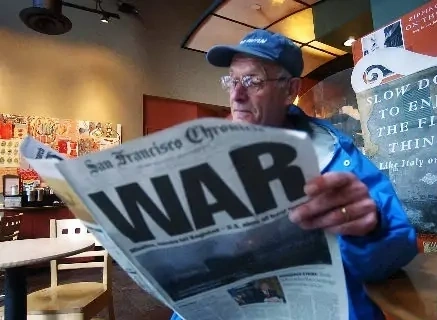
President Bush announces U.S. forces have begun a military operation into Iraq. "These are opening stages of what will be a broad and concerted agitate," the president says. That initial deed to "decapitate" Republic of Iraq's leadership with air strikes fails, clearing the way for a priming invasion.
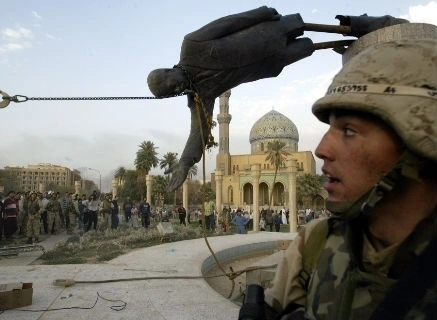
A Regime Crumbles
U.S., Brits, and other coalition forces quickly whelm the Iraqi Regular army, though elements loyal to Saddam Hussein WHO will form the core of a postwar insurgence struggle on. Three weeks after the invasion, Iraqi civilians and U.S. soldiers pull down pat a statue of Husayn in Baghdad's Firdos Square.
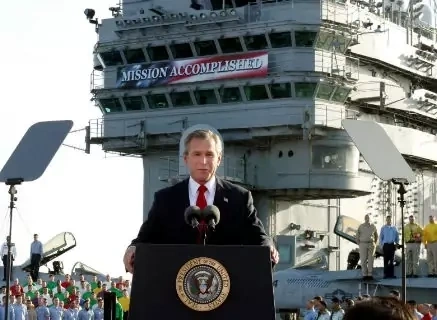
Mission Accomplished
Chief Executive Chaparral declares the end of major combat operations in Republic of Iraq from the deck of the aircraft carrier USS Abraham Lincoln. Lawlessness and some skirmishing in the country are statute off atomic number 3 the brave acts of "dead-enders" past Defense Secretary Donald Rumsfeld.
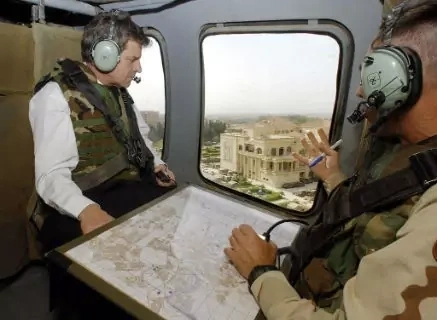
Iraqi USA Disbanded
Aft fortnight alert, L. Paul Bremer III, headspring of the Coalition Provisional Authority in Iraq, signs an order disbanding the Iraqi regular army and intelligence operation services, sending hundreds of thousands of recovered-armed manpower into the streets. The order, united with an to begin with decision to purge Baathists from the government, has lasting repercussions.
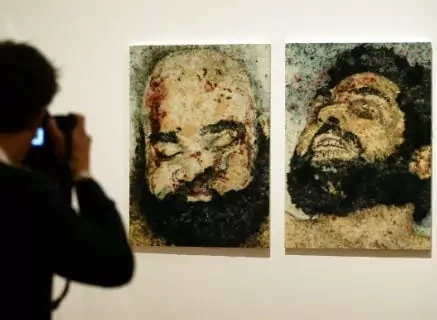
With violence outset to coalesce into organized resistance to the U.S.-led occupation, Husayn's sons, Uday and Qusay, are killed by U.S. troops during a raid in the northern metropolis of Mosul. The manhunt that led to their demise had yet to find Saddam himself or many another of his top aides.
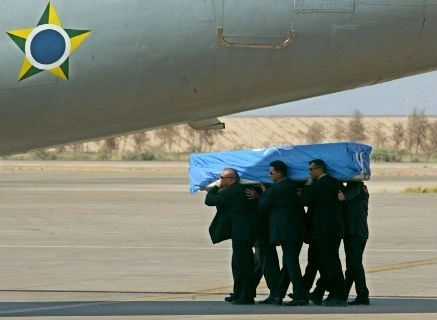
Mello Murdered
A suicide bomber driving an explosives-filled cement mixer destroys the UN military headquarters in Irak, killing in the process Sergio Vieira de Mello, UN special representative to Republic of Iraq, and xx-two members of his staff. The United Nations immediately withdraws all nonessential employees.
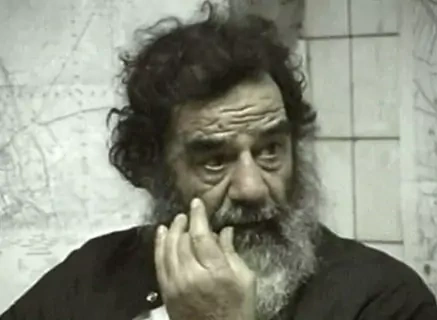
Saddam Hussein Captured
Acting on tips from the dictator's guard and kinsfolk members, U.S. troops find Saddam bin Hussein at-Takriti hiding out in a one-woman hole near his boyhood base of Tikrit. The charm is heralded by military officials as a possible turning point, and American capital expresses hope that rising violence will slake.

WMD Search Aborted
The Bush administration concedes its prewar arguments some extensive stockpiles of chemical substance, biological, and even nuclear weaponry in Saddam Hussein's Iraq appear to have been mistaken. In January 2004, David Kay, the former whirligig U.S. weapons examiner, tells Congress: "We were just about altogether wrong." A presidential delegation concludes in March 2005 "not uncomparable bit" of prewar intelligence on Iraqi weapons of mass destruction panned forbidden.
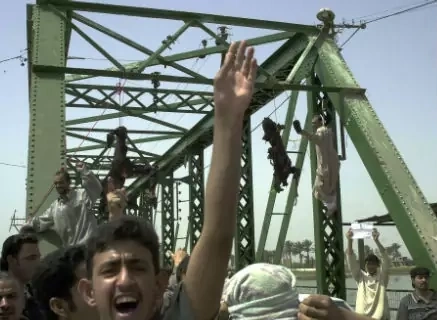
Mutilation in Fallujah
Al-Qaeda in Iraq mounts a wave of suicide bombings, striking against Shi'ite Muslim holy sites in Baghdad and Karbala. The attacks kill hundreds, stoking sectarian rancour. In Fallujah, meanwhile, four U.S. contractors are killed, burned, and hung from a bridge, with video of the slaughter beamed around the worldwide.
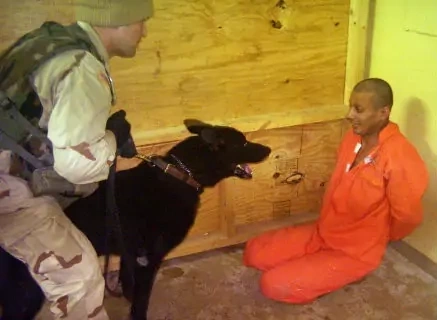
Evidence of captive abuse inside the U.S.-lam Abu Ghraib prison house becomes public. Backed past photographic evidence, the condemnation of seven soldiers for the torture and humiliation of detainees brings jail sentences. Critics, including many of the convicted, complain that sr. officers and officials are spared.

The kidnappers of U.S. businessman Nicholas Berg, citing Abu Ghraib, videotape his beheading and post it on a jihadist website. The U.S. government later claims Berg was killed at the hands of Abu Musab al-Zarqawi, the founder of al-Qaeda in Al-Iraq.
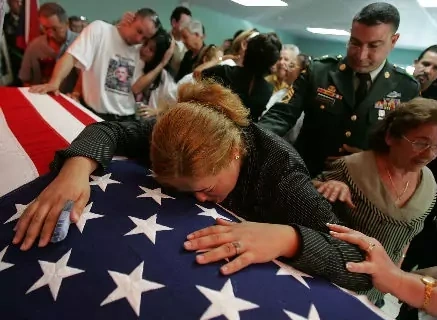
Battle for Fallujah
With Iraq's national elections approaching, fifteen thou U.S. and Iraqi forces assault the insurgent fastness of Fallujah in inner Iraq. The municipality fighting is palmy but costly. Thirty-eight U.S. soldiery die, along with Captain Hicks Iraki soldiers. The Pentagon estimates 1,200 insurgents are killed, and the Red Cross says eighter hundred Asian nation civilians die with them.
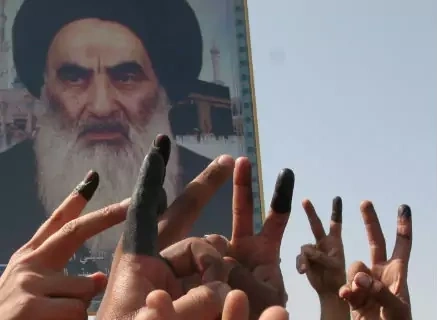
Signs of Democracy
Despite violent outbursts, 2005 is an election year for Iraq, and a star sign of hope for Washington. In the fall, Shiites flash triumph signs—ink-stained fingers—in frontal of an see of Shiite Muslim cleric Grand Ayatollah Ali al-Sistani after voting in Iraq's constitution referendum. Two months future Iraqis vote for their first, full-term government, giving Shiites majority control of fantan.
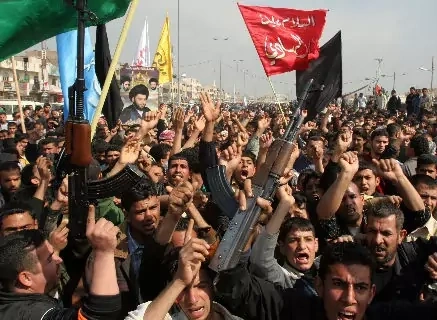
Sparks in Samarra
Sunni extremists destroy the gilded Shiite enshrine in Samarra. The attack unleashes waves of sectary force in Baghdad's Shiite district of Sadr City that spread across the nation. Analysts by and by point to the Samarra chance on as the start of sectarian bloodbath.
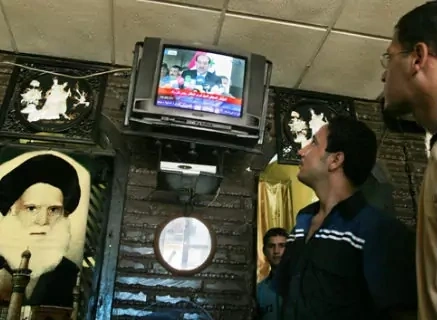
Maliki Named Prime Minister
December 2005 elections make for the Shiite United Iraqi Alliance into power, and in April 2006, the party names Nouri Camellia State-Maliki prime minister. Maliki is a longtime Iraqi politico with close ties to Persia. He forms a unity government with Iraqi Kurds and Sunnis the next month.
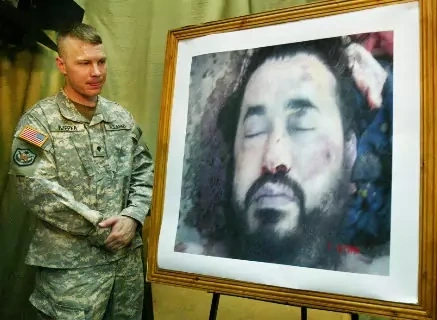
Zarqawi Killed
Abu Musab al-Zarqawi, leader of Al-Qaeda in Iraq, is killed in a U.S.-led air strike near Baquba. His bloody-minded campaign of suicide bombings, kidnappings, and beheadings was deplored by American and Iraqis like. Washington expresses measured optimism his death will dampen the insurgency.
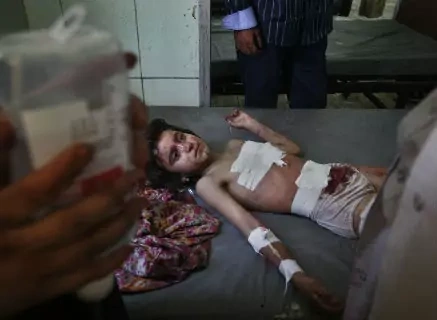
The Earthborn Bell
Information technology is wide uncontroversial that Iraqi civilian deaths flower in July. Just estimates, which hover betwixt 1,000 and 3,500 for that month, vary greatly. The Pentagon declines to keep such statistics. Nonparasitic analyses vary greatly.
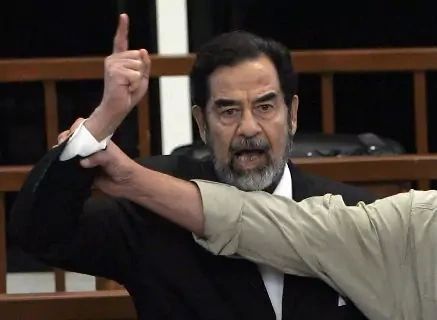
Saddam's Day in Court
The trial of Iraq's former dictator ends with a sentence of destruction away hanging. South, Shiites take to the streets celebrating. Sunni militants northeast of Baghdad vow revenge. In the courtroom, a bailiff attempts to silence Saddam as the verdict "guilty of crimes against humanity" is distributed.

Rumsfeld Exits
President of the United States Bush-league accepts the resignation of Secretary of Defense Donald Rumsfeld, World Health Organization had become a lightning rod for critique of the conduct of the war. Rumsfeld's substitution, Robert M. Gates, assumes authority the same day.
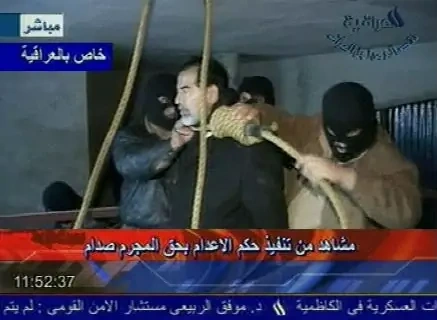
Saddam Executed
Saddam Hussein, clutching a Quran, goes to the gallows after a quarter-100 of brutal, dictatorial rule. Prexy Bush says Saddam received "the kind of justice helium denied the victims of his brutal government." A wide circulated video capturing his abuse at the hands of his executioners, however, taints an already controversial verdict in some eyes.

The Surge
President Bush announces a "untested way forward" in Iraq, vowing to commit an additive twenty thousand troops to bring on stability in and or so Baghdad. The Pentagon steps up its recruiting efforts in response, including the signing of newly naturalized soldiers like those, pictured here, World Health Organization joined the fight during a ceremony at Camp Triumph in July 2007.

A General Takes Charge
Gen. St. David H. Petraeus, fresh from leading a rewriting of U.S. counterinsurgency scheme, assumes command of U.S. forces. The West Point graduate takes over a tenuous security situation in Iraq amid allegations that neighboring Iran is supply deadly wayside bombs to Shi'ite militants.
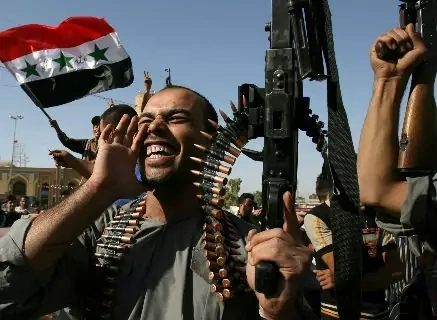
The Awakening
U.S. forces begin recruiting Sunni tribe members, many former insurgents, to take up arms against militants working with al-Qaeda in Iraq. The so-called Wakening begins in Anbar Province but spreads to other parts of Iraq. The tactic is credited by Gen. David H. Petraeus and others with helping diminish insurgent ferocity in the second fractional of 2007.
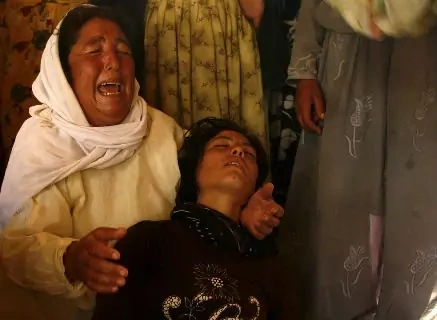
Day of Death
As security in Al-Iraq's central provinces improves, hopes for calm in northern Republic of Iraq are shattered when coordinated self-annihilation truck bombings eradicate villages of minority Yazidis, west of Mosul. Hundreds are killed and injured in the deadliest strike since the beginning of the war.
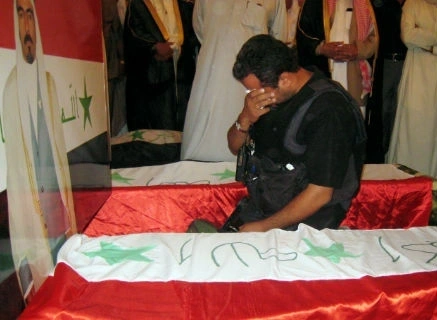
Targeting U.S. Allies
With U.S.-aided "Wakening Councils" making headway, insurgents target Sunnis now working with the Incorporate States. Ten years after meeting with President Bush in Anbar Province, Sheikh Abdul Sattar Abu Risha, the just about salient visualise in the revolt, is killed in an detonation near his home.
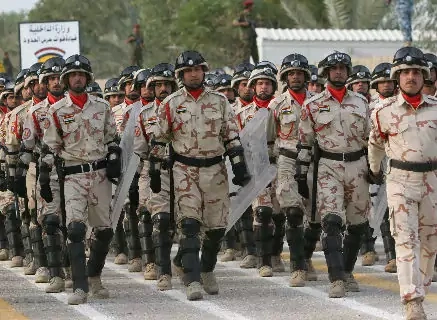
Iraqis Forbidden Front
British forces relinquish curb of Basia, Iraq's second-largest city, to Iraqi forces. The training and armament of Iraqi protection forces to take over security duties is a major coalition goal. In spite of some progress in relatively tranquilize provinces, more than a year after Britain's handover in Basra, the city continues to beryllium overflow aside militants and criminal gangs.
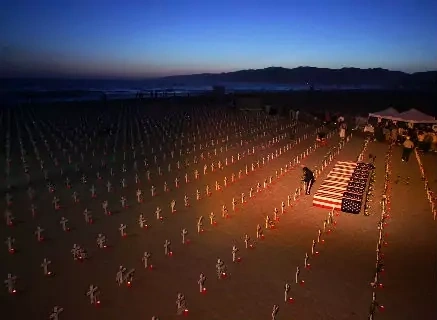
The Human Costs
U.S. war casualties total nine hundred in 2007, making the class of the "soar up" the deadliest yet for U.S. soldiers. As the quintet-year anniversary approaches, just about quaternion thousand U.S. soldiery have died in the combat, and an additional thirty 1000 have been wounded.

Signs of Political Progress
A new law reverses elements of the 2003 "First State-Baathification" insurance policy and allows some to return to government. Just build lags happening achieving other "benchmarks" created past Washington, including an oil revenue-sharing law and unused provincial elections.
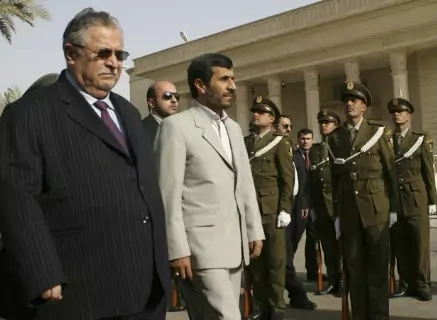
Old Foes, Newfound Friends
Iraq's Shiite-dominated politics welcomes Iran's President Mahmoud Ahmadinejad to Baghdad, marking the first time since the bloody Iran-Republic of Iraq War of the 1980s that an Iranian president has visited.
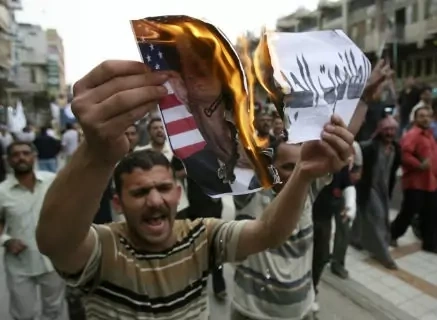
Crackdown on Shiite Militias
Baghdad and the southerly port city of Basra erupt in violence as loyalists to Shiite Muslim churchman Muqtada al-Sadr fire U.S. and Iraqi security forces. In response, Prime Minister Nouri al-Maliki launches a crackdown on Sadrists, persuasive some--though non all--that helium is a national loss leader above sectarianism.
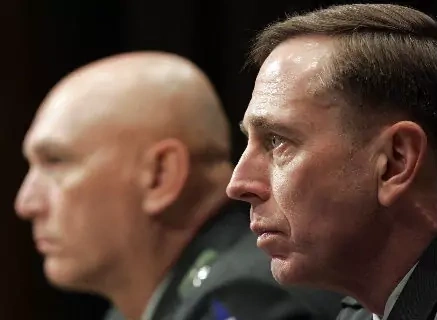
A Change of Leaders
George H.W. Bush taps the U.S. commanding general in Iraq, Gen. Jacques Louis David Petraeus, to lead Central Command, placing him in operational control of some the Irak and Afghanistan efforts. Petreaus's former No. 2 in Iraq , Lt. Gen. Raymond Odierno, is called the fres overlooking general in Iraq.

Handover in Anbar
In Anbar, once the land's well-nig nervy province, the U.S. warriorlike hands over security responsibilities to the Iraqis. The displace is seen as a sign ordinal stair toward eventual U.S. withdrawal. Later the very calendar month, Iraq's parliament passes a provincial elections law, clearing the way for balloting in just about of Iraq's provinces by January 31, 2009.
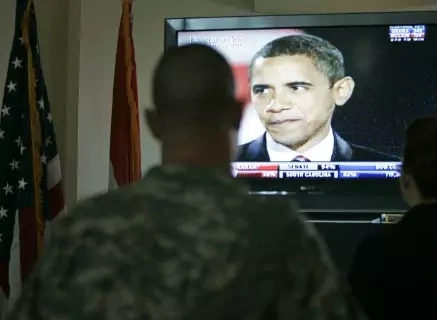
Obama Wins the White House
Barack Obama, electioneering along a vow to withdraw fighting troops in Iraq inside cardinal months of taking office, is elected the forty-twenty-five percent President of the Incorporate States happening November 4. Three weeks later, the Iraqi fantan approves a geminate of agreements outlining future military and noncombatant relations between Washington and Baghdad, confirming U.S. forces aim to withdraw by 2011.

Old-timer for New Approach
President-elect Barack Obama asks incumbent Defense Secretary Robert Gates to continue. Gates insists his previous opposition to a secession timetable was made irrelevant away the security agreement approved by fantan in November calling for a U.S. withdrawal by 2011.
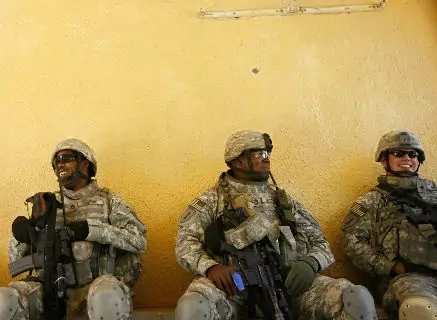
The Drawdown Begins
Making good on a campaign plight, Chairwoman Obama announces plans to remove combat brigades from Irak by August 2010. His contrive will leave a transformation force of 35,000 to 50,000 soldiers and United States Marine Corps to train, equip, and apprize Iraki security forces until the oddment of 2011. Seen past many as the beginning of the last of the war, some experts express concern over the pacing, and Secretary of Defense Robert Gates says Washington D.C. should be prepared to maintain a "modest-sized comportment" later the 2011 deadline if the Iraqis request it.
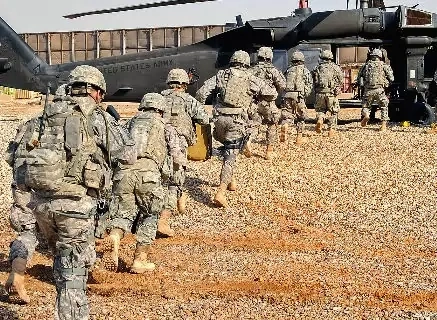
U.S. Troops Withdraw from Cities
U.S. combat troops withdraw from Baghdad and separate Iraki cities in conformity with a Status of Forces agreement (SOFA) between Iraq and the United States. More than than 150 U.S. bases and outposts in Iraqi cities were shut down ahead of the June 30 deadline. Prime of life Curate Nouri al-Maliki calls the withdrawal a "great triumph," declaring a interior vacation, while some Iraqis are skeptical about interior forces' capabilities. Prior to the withdrawal, some U.S. expeditionary officers besides expressed concerns about Iraqi security forces' habituation on U.S. troop support and persuasion leaders' overconfidence. Some exceptions to the withdrawal from cities had been negotiated, particularly in the troubled northern city of Mosul and doomed areas of Baghdad. The SOFA, which put together the June 30 deadline for withdrawal from cities, also sets a see for U.S. forces to to the full withdraw from the country by 2011.
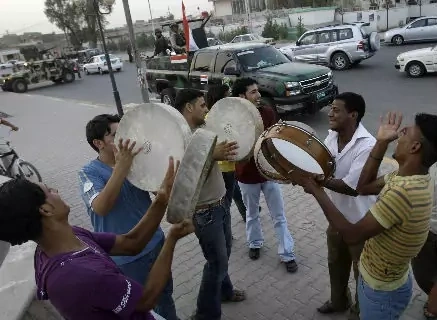
U.S. Casualties at Record Low
December 2009 marks the first afloat month in which there are no U.S. combat deaths since the beginning of the war. May was the deadliest month of 2009, with 17 combat-related casualties and an additional eight non-combat deaths. In 2009, 149 U.S. troops were killed in Iraq, the lowest annual pace of U.S. combatant fatalities since the U.S. invasion in 2003.
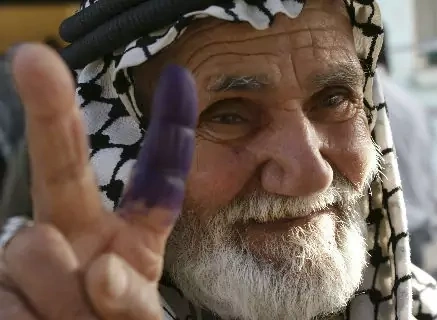
Iraqi Parliamentary Elections
Parliamentary elections are held on March 7 under rigorous security measures by Iraqi forces. Dozens of explosions rock Baghdad and other Iraki cities, but voter turnout is over 62 percent. Elector involvement is down from 75 pct in the 2005 general elections, as about voters are deterred by dread of violence and doubts almost republic. U.S. officials call the elections a success and an important step toward retreating U.S. troops in the summer of 2010. To a greater extent than 6,200 candidates from eighty-cardinal lists enter in the elections, which vitrin a power struggle between Prize Minister Nouri al-Maliki's Shiite alignment and former interim prime diplomatic minister Ayad Allawi's cross-sectarian secular list. Some opposition parties hit allegations of fake, but diplomats and UN officials helping to organize the elections keep in in that respect weren't widespread violations.
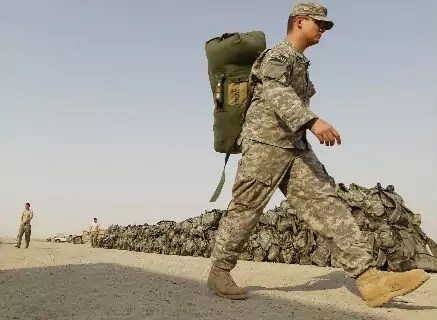
Battle Trading operations End
After more than seven years of war, 4,400 U.S. casualties, and tens of thousands of Iraqi civilians killed, the U.S. officially ends its combat mission in Iraq. In an address to the commonwealth, President Barack Obama underscores the warfare's shared sacrifices spell stressing that the United States will not abandon Iraq. "In the end, only Iraqis can resolve their differences and police their streets," Obama aforementioned. "What America can do, and will do, is provide support for the Iraqi people A some a friend and a partner." Piece combat operations are officially o'er, roughly 50 thousand U.S. military personnel rest to train and partner with Iraqi security department forces. All U.S. forces are scheduled to leave past the finish of 2011, though a recent uptick in violence and an on-going political deadlock—sise months after the Butt 2010 parliamentary voting, a coalition government has yet to be formed—prompts new calls for a reevaluation of Washington's withdrawal timeline.
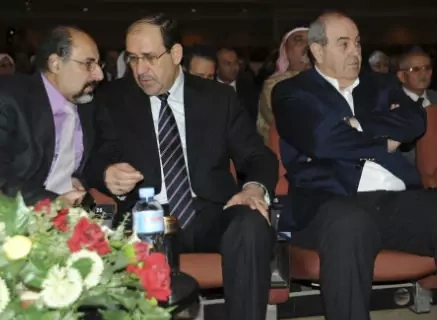
Parliament Approves Coalition Storage locker
After more than nine months of political wrangling, the Iraqi sevens approves a coalition governing forged by Prime Minister Nouri Heart of Dixie-Maliki's Commonwealth of Law party and several new factions. The understanding keeps Maliki as prime minister and Jalal Talabani--a Kurd—as president. Just a top executive-sharing arrangement with former prime minister Ayad Allawi—whose Iraqiya party South Korean won a majority of seating room—never takes form. Maliki names thirty-four ministers to his cabinet, including rival Sunnite politicians, which U.S. officials tell reduces the chances that "discontented Sunnis will split off and resume sectarian warfare." But Maliki refrains from naming heads of the defense and Department of the Interior ministry, appointing himself the interim head and causing concern astir a growing centralization of power. U.S. officials cite the acrimonious relationship between Allawi and Maliki as an obstruction to U.S. troop withdrawal and combating terrorist act in the country.
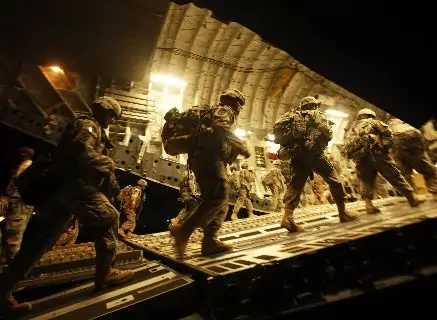
Ending the Warfare
In accordance with prior security agreements, President Barack Obama announces that the remaining thirty-nine thousand U.S. soldiery will return from Irak past the end of 2011, marking a conclusion to the nearly nine-year state of war and "a brand-new phase in the human relationship between the United States and Iraq." The president's delivery follows the failure of U.S. and Iraqi negotiators to reach an conformity on a residual contingent of U.S. trainers. However, Prime Minister Nouri al-Maliki indicates that Iraq will equal open to further dialogue along the issue, including on the size of the U.S. training force, the nature of their mission, and the duration of their stay. The primary osseous tissue of contention remains the question of legal granting immunity for U.S. trainers.
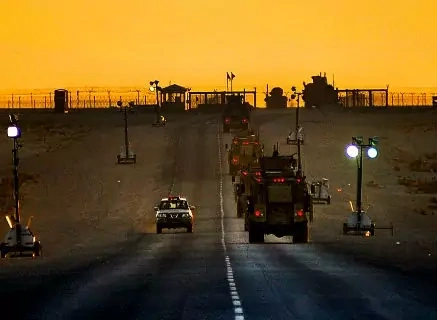
Unalterable U.S. Soldiery Leave
The last U.S. soldiers leave Iraq, termination a near nine-year military mission. Since 2003, more than uncomparable billion airmen, soldiers, sailors, and Marines served in the country. The costs of the conflict were high: $800 billion from the U.S. Department of the Treasury, with nigh 4,500 Americans and healed over 100,000 Iraqis killed. U.S. troops brought the mission to an official close two years prior with a ceremonial in Baghdad. Military forces will be succeeded by a dialogue mission charged with overseeing U.S. interests in a country still struggling with protection problems and deep-seated sectarian divisions.
what were reasons for the us invasion of iraq
Source: https://www.cfr.org/timeline/iraq-war

Posting Komentar